
Continuously build and construct with strong and flexible materials anywhere in the world. This type of steel is an example of such an attribute and can be called a kind of steel. These are the foundational items for infrastructure, machines, and most manufactured goods.
Hot rolled products are the next products that are initially derived from processing raw steel to become usable articles. Steel pieces or "billets" are heated to temperatures well above 1700 °F (the temperature at which they recrystallize) and are then squeezed by rollers for proper shaping and sizing. Metal under hot working becomes tough, is easy to form, and is not too expensive. This is apt for applications where general strength and affordability are more critical than the exact shape and tolerances.
Endless possibilities with hot-rolled steel
Subsequently, there will be many other companies that utilize hot-rolled products further up the supply chain. They come in an enormous variety. Examples include those infrastructures that make up building and bridge frames. Dense, heavy-duty plates are used to construct docks, ships, and pressure tanks. It is also furnished with bars and rods, which can either be converted to components of vehicles or rebar for construction. All the hot rolled products differ in that they are covered in mill scale with bluish-black oxide layers that form onto the surface when cooled and rounded edges slightly, so that rolling causes extreme heat and stress to the metal.
There are many people using this method to make things economically. The fact that the products do not undergo further fittings used to make cold-finished steel allows them to price their products at a lower cost. This is what makes hot-rolled steel most acceptable in large workpieces where a lot of material would be used. The surface finish does not really matter because they will go through painting, coating, or some other treatment.
How hot-rolled strips are made repetitively
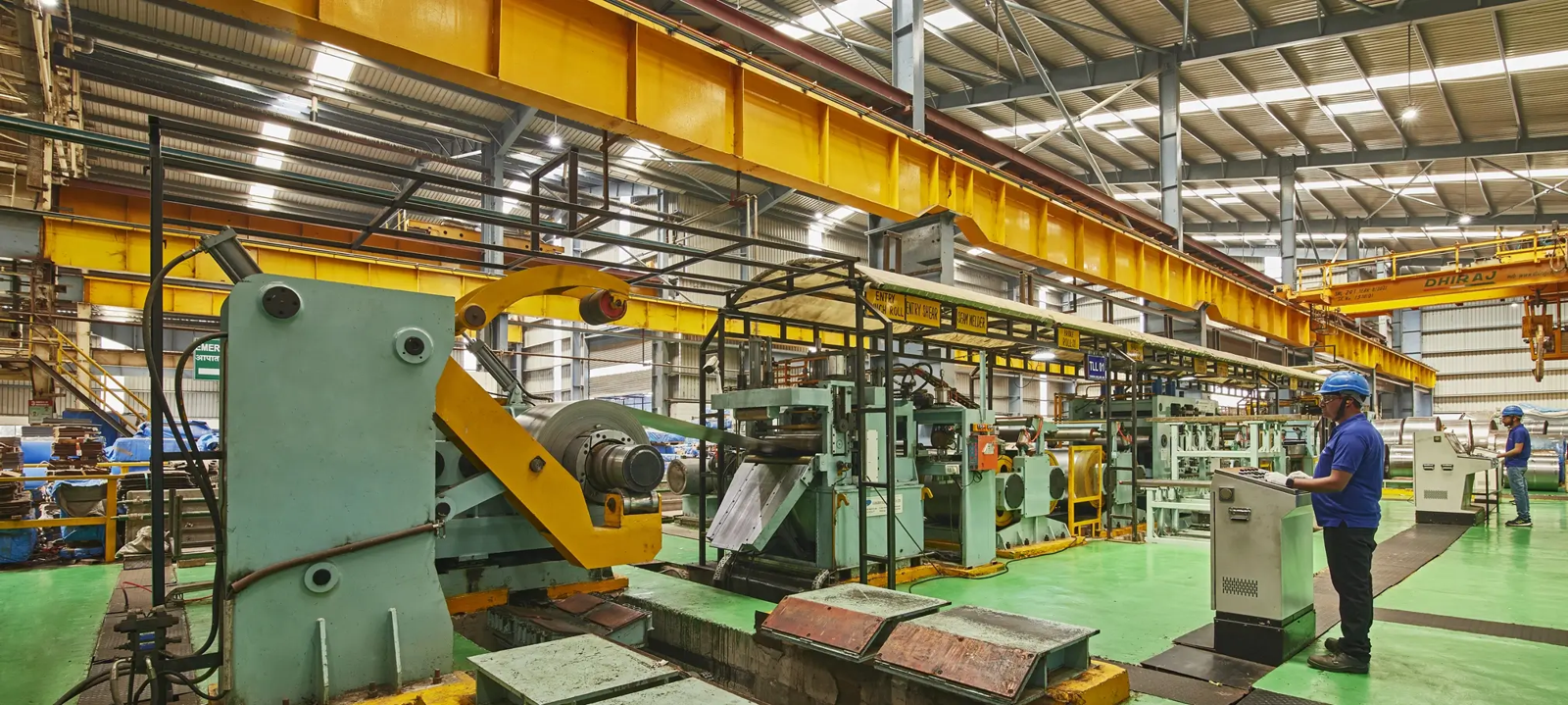
Another new type of hot-rolled steel seems to be hot-rolled strips. These constitute a significant part of several other manufacturing processes. Hot slabs are gradually made smaller and longer in a continuous rolling mill process until they become twisted strips of steel. Hot rolled strips are nothing less than a modern industrial engineering delight at the highest level, direct production lines for roughing stands, finishing stands, and cooling beds working in a perfectly synchronized manner to produce coils weighing as much as several tons. This will ensure that size and microstructure are uniform throughout the coil. Automatic production lines that will later be used by this substance will need to know this.
Uses of hot rolled strips are unlimited. Cold-rolled sheets convert into parts like car body panels and home appliances. These coils are the primary material in the making of such panels. Hot Rolled Strips are also used in the production of welded steel tubes and pipes, components for commercial car frame parts, and various stamped parts. This product is in demand, given that it can make big coils of steel that are consistent when rolled. You can use it when you need more power and don't care too much about the finish on the surface because it is stronger and has a slightly bigger gauge than cold-rolled sheet.
Conclusion
Despite being unrefined in its purest form, steel is quite formidable, which has made it a predominant material in the economy for heavy industries and construction. Different kinds of structures support all that we are creating; however, the part that keeps the life of the industrial sector alive is the heavy, mass production of coiled steel. This continues to stay as the primary raw material for most companies for whom a constant supply of complemented strength steel at minimum prices is required. Hot rolled strips are indeed flexible and easily manufactured.

Write a comment ...